
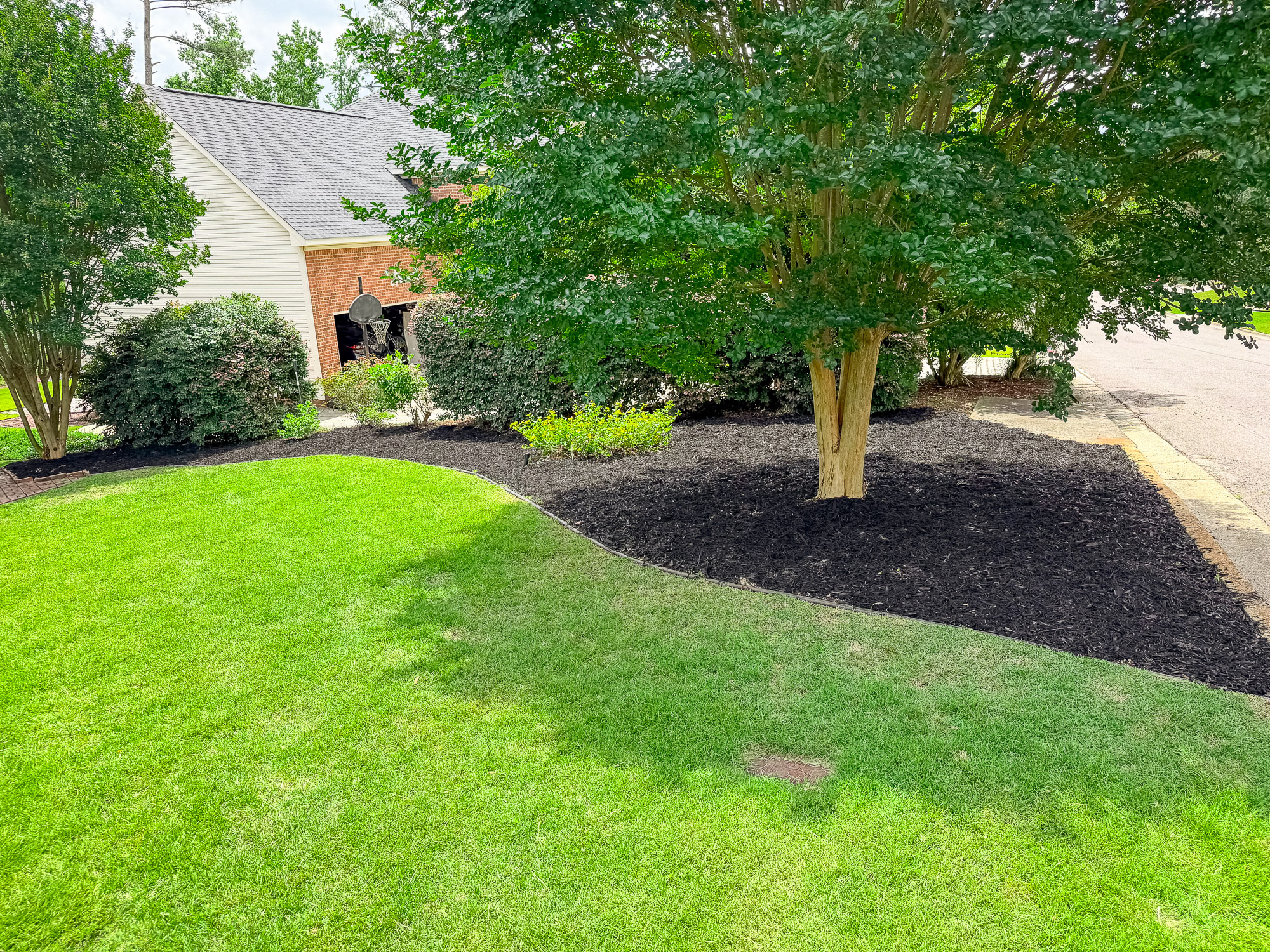
When the Heat is On, Your Lawn Care Shouldn't Be Set-It-and-Forget-It
We've all felt it. Those weeks when the heat index climbs past comfortable, the grass crunches underfoot, and your once-green lawn starts looking more like straw than turf. Extreme weather has become less of an exception and more of an expectation.
Here's what we've learned after years of caring for lawns in our community: when the weather goes sideways, your lawn care plan needs to adapt right along with it. The same mowing schedule and fertilization routine that works beautifully in April can actually harm your lawn in the scorching heat of August.
So let's talk about what we do differently when drought, heatwaves, and summer stress show up on your doorstep, and more importantly, why these adjustments matter for the long-term health of your yard.
Understanding What Extreme Weather Actually Does to Your Lawn
Before we dive into solutions, it helps to understand what's happening beneath your feet when temperatures spike and rainfall vanishes.
Your grass isn't just sitting there looking pretty (or not-so-pretty during a drought). It's a living system constantly working to survive. When extreme heat arrives, your lawn goes into survival mode. Kind of like you heading indoors to the air conditioning, except grass can't exactly relocate to the couch.
The Three-Part Stress Response
During heat and drought, your lawn experiences a triple threat:
- Water shortage: Grass roots can only reach so deep, and when the soil dries out, those roots struggle to find moisture
- Heat damage: Extreme temperatures literally cook grass blades, causing them to go dormant or die off
- Increased vulnerability: Stressed lawns become magnets for weeds, pests, and diseases that normally wouldn't stand a chance
Think of it this way: a healthy, well-watered lawn can fight off problems. A heat-stressed lawn? It's like trying to run a marathon on zero sleep and no water. Everything gets harder.
How We Adjust Mowing During Extreme Heat
This might surprise you, but one of the most important adjustments we make during heatwaves has nothing to do with adding water or fertilizer. It's about how, and when. We mow.
Raising the Blade Height
During normal conditions, we keep most lawns at a healthy 3 to 3.5 inches. But when the heat cranks up, we raise our mower blades to 4 inches or even higher.
Why? Taller grass creates shade for its own root system. Those extra inches of blade work like a natural umbrella, keeping the soil cooler and reducing moisture evaporation. It's simple physics that makes a real difference.
Mowing Less Frequently (Yes, Really)
When your lawn is stressed, it stops growing as quickly. That means it doesn't need cutting as often. We adjust our schedule based on actual growth, not just the calendar.
Cutting stressed grass too short or too often is like asking someone with the flu to run sprints. It's not going to end well. Sometimes the best thing we can do is leave well enough alone and let your lawn conserve its energy.
Timing Our Visits Strategically
We also shift our mowing times during extreme heat. Instead of midday service when the sun is most intense, we prioritize early morning or late afternoon visits. This reduces stress on the grass and honestly, it's better for our crews too.
Rethinking Fertilization and Treatments
Here's where many lawn care companies get it wrong: they stick to their scheduled fertilization program no matter what the thermometer says. We don't do that, and here's why.
Holding Off on High-Nitrogen Fertilizers
Nitrogen-rich fertilizers encourage rapid growth. That's fantastic in spring when your lawn has plenty of water and moderate temperatures. But during a drought or heatwave? Pushing growth is the last thing your grass needs.
We adjust our fertilization program to focus on root development and stress tolerance instead of green-up and growth. Think of it as giving your lawn vitamins instead of energy drinks when it's already exhausted.
Soil Health Over Quick Fixes
During extreme weather periods, we often shift focus to soil amendments that help with water retention and heat tolerance. Organic matter, for instance, helps soil hold moisture longer, which means your lawn has more time to access water between rain events or irrigation cycles.
These adjustments might not create the instant gratification of a bright green lawn, but they set your yard up for long-term resilience. We're playing the long game here.
Weed Control: A More Delicate Balance
Weeds seem to thrive in conditions that make grass suffer. It's frustrating, we know. But extreme heat actually changes how we approach weed control.
Many herbicides become less effective, or even harmful to your lawn. When applied during high temperatures. We carefully monitor weather conditions and might delay applications until conditions improve. It's not about ignoring the problem; it's about waiting for the right moment when we can actually solve it without causing collateral damage.
Sometimes we'll spot-treat the most aggressive weeds rather than doing a blanket application. Other times, we'll recommend waiting until fall when conditions are more favorable and your lawn is stronger.
Communication: The Most Important Adjustment We Make
Here's something that sets us apart: when we adjust your lawn care plan due to extreme weather, we let you know why.
You might wonder why your neighbor's lawn care company came by but we didn't. Or why we raised our mowing height. Or why we're recommending you skip a fertilization application. These questions deserve real answers, not generic responses.
What We'll Tell You, And When
When extreme weather hits, here's what you can expect from us:
- Advance notice when we're adjusting your service schedule
- Clear explanations about why we're making changes
- Honest assessments of what your lawn can and can't handle
- Realistic expectations about recovery timelines
- Recommendations for what you can do between our visits
We're not going to disappear when things get tough. That's when communication matters most.
What You Can Do to Help Your Lawn During Extreme Weather
Professional lawn care is important, but what happens between our visits matters just as much. Especially during heat and drought stress.
Watering Wisely
If you're able to water (and local restrictions allow it), deep and infrequent watering is far better than shallow, daily watering. We're talking about one inch of water once or twice a week, applied early in the morning.
Deep watering encourages roots to grow deeper, making your lawn more drought-resistant over time. Shallow watering keeps roots near the surface where they're more vulnerable to heat stress.
Staying Off Stressed Grass
When your lawn is struggling, foot traffic and play can cause additional damage. We know this is tough, especially if you have kids or pets, but minimizing use of stressed areas helps them recover faster.
Think of it like staying off a sprained ankle. Rest helps healing.
Watching for Warning Signs
Keep an eye out for signs that your lawn needs extra help:
- Grass that doesn't spring back when you step on it
- Blue-gray color instead of green
- Wilted or folded grass blades
- Footprints that stay visible for several minutes
If you notice these, give us a call. We can assess whether your lawn needs intervention or if it's doing okay in survival mode.
Understanding Dormancy vs. Dead Grass
This is probably the biggest source of panic we see during extreme weather: brown grass. But here's the thing. Brown doesn't always mean dead.
Many grass types, especially cool-season grasses common in our area, go dormant during extreme heat and drought. Dormancy is a survival mechanism. The grass basically takes a nap until conditions improve.
Dormant grass looks dead, but it's not. The roots are still alive underground, waiting for cooler temperatures and moisture to return. Dead grass, on the other hand, won't come back no matter what.
How We Tell the Difference
During our visits, we're checking for signs of life. We'll tug on brown grass (living roots hold firm; dead grass pulls up easily), check crown and root health, and look at patterns across your lawn.
If we're concerned that damage is permanent rather than temporary, we'll let you know and discuss options for recovery or renovation once conditions improve.
Planning for Recovery After Extreme Weather Passes
The good news? Most lawns are remarkably resilient. Even lawns that look pretty rough during extreme weather can bounce back beautifully once normal conditions return.
As summer stress ends and we move into fall, we'll adjust your care plan again. This time to support recovery. That might include:
- Overseeding thin or damaged areas
- Core aeration to improve water and nutrient penetration
- Targeted fertilization to support regrowth
- Weed control to prevent opportunistic invaders from taking over stressed spots
Fall is actually the best time for lawn recovery in our climate. The cooler temperatures and typically better rainfall create ideal growing conditions.
Why This Adaptive Approach Matters
Look, we could stick to a rigid schedule year-round regardless of weather. It would be simpler for us operationally. But it wouldn't be right for your lawn, or fair to you.
Your lawn is an investment in your home and your family's outdoor space. When we adjust our approach based on actual conditions rather than just the calendar, we're protecting that investment for the long haul.
We're also being honest about what your lawn needs versus what the schedule says. That's the kind of relationship we want to have with our neighbors. One built on trust and doing what's actually right, not just what's convenient.
We're in This Together
Extreme weather is stressful. For your lawn and for you. Nobody likes looking out the window and seeing brown grass or wondering if their yard will recover.
But here's what we want you to know: we're monitoring conditions, adjusting our approach, and doing everything we can to help your lawn come through these challenging periods as healthy as possible. We're not just checking boxes on a service list; we're actually caring for your yard.
If you have questions about how your lawn is handling current conditions, or if you're worried about what you're seeing, please reach out. Give us a call or schedule a quick visit. We're happy to walk your property with you, explain what's happening, and give you honest guidance.
Because that's what neighbors do. We help each other through the tough times, and we celebrate together when the grass is green again.
Need specific advice for your lawn during extreme weather? Give us a call. We'll give you a straight answer about what your yard needs, and what it doesn't.